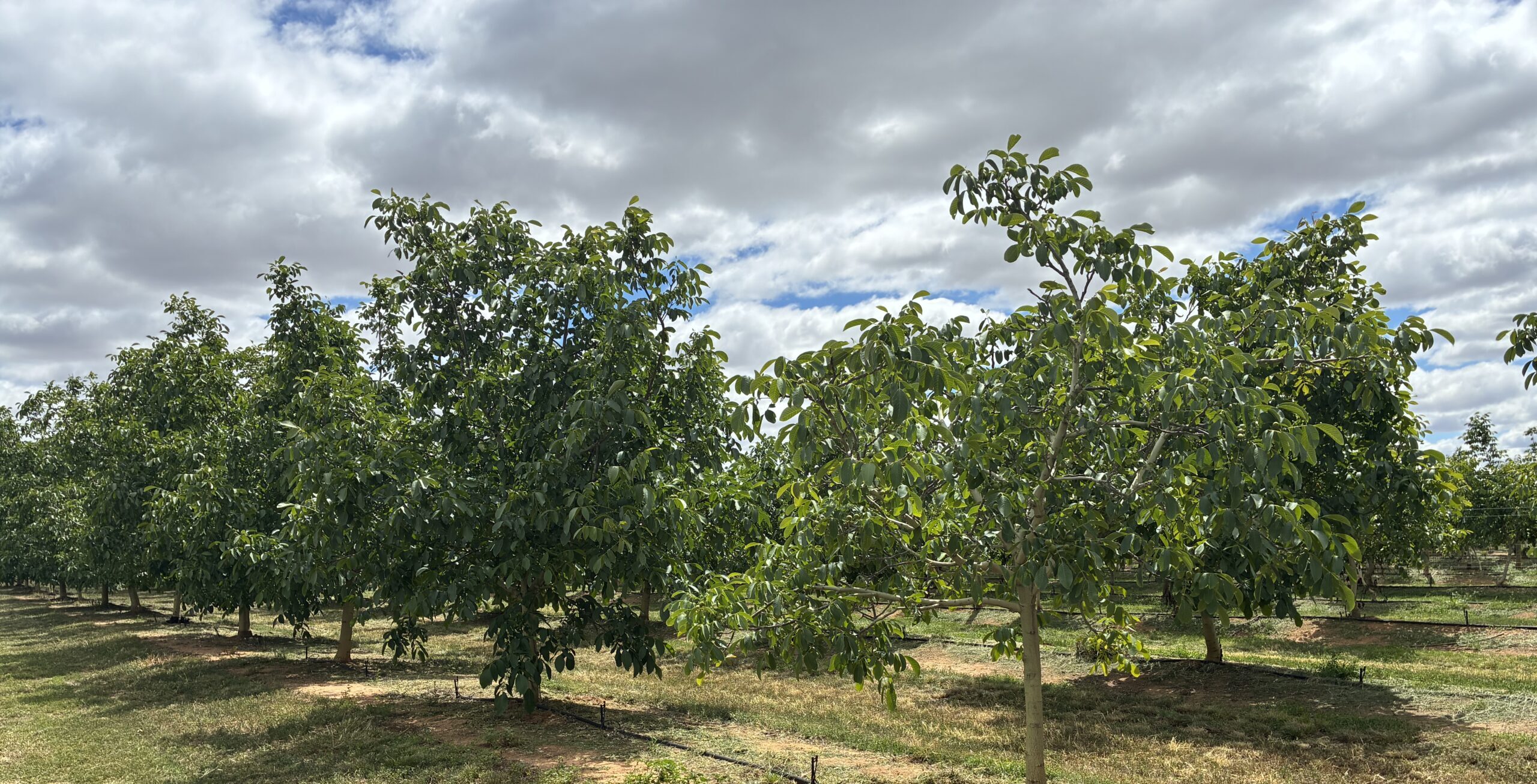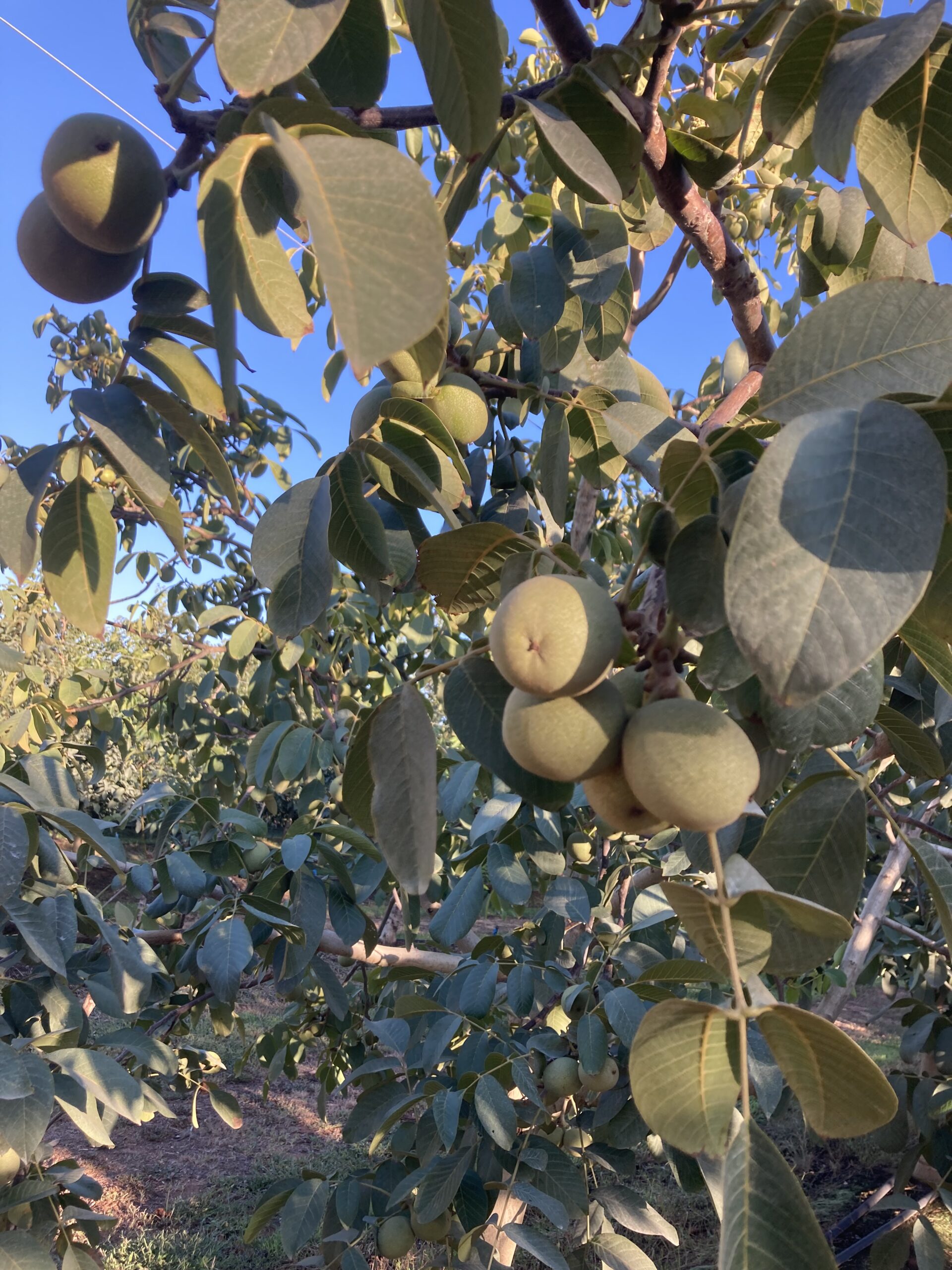
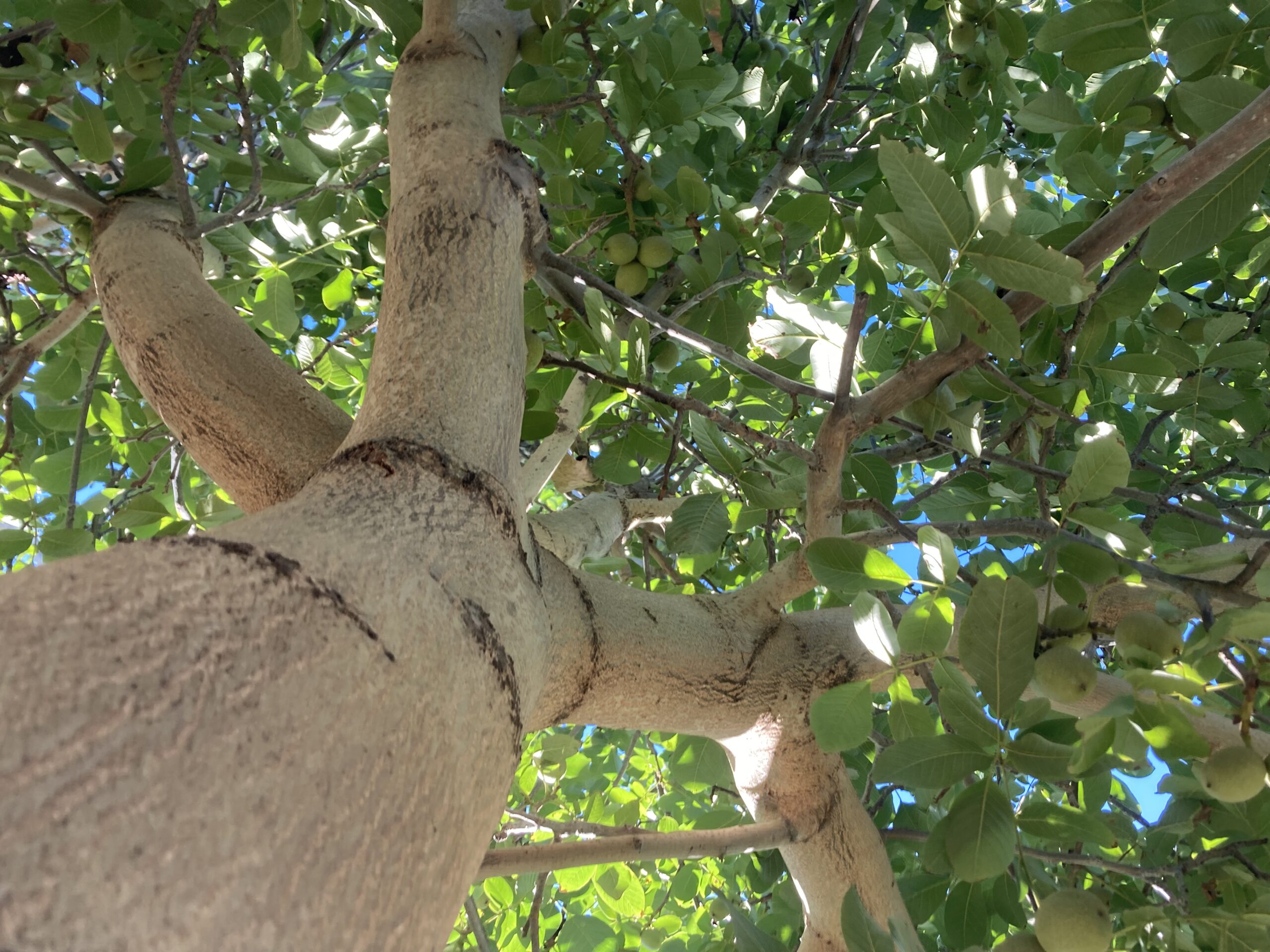
Grown by Imatech Nut Trees in Victoria’s Goulburn Valley, Chandler walnuts are recognised for their light-coloured kernels, mild flavour and dependable quality.
A premium walnut with broad appeal
Chandler is the flagship variety at Imatech Nut Trees and an important part of our orchard in the Goulburn Valley. It is valued by growers, wholesalers, food businesses and home cooks because it combines an attractive appearance with a clean, mild eating quality. The nuts are generally large and well formed, while the kernel is known for its light colour and ability to release in substantial, intact pieces when carefully cracked.
The flavour is gentle rather than overpowering: slightly sweet, buttery and distinctly walnut. That balance makes Chandler walnuts suitable for eating on their own and for use in both sweet and savoury recipes. They add texture and richness without dominating the other ingredients.
Light kernels and a well-sealed shell
A Chandler walnut has a smooth, oval-to-round shell with a good natural seal. The shell protects the kernel through harvest, drying, grading, storage and transport, but is still relatively easy to crack. Inside, the pale kernel is one of the variety’s most recognisable features. Good colour, sound halves and consistent size are particularly important for premium in-shell and kernel markets.
Walnuts naturally contain unsaturated fats, including alpha-linolenic acid (ALA), a plant-based omega-3 fatty acid. They also contribute protein and dietary fibre, making them a useful and versatile whole food as part of a balanced diet.
Grown in Victoria’s Goulburn Valley
Our Chandler trees are grown near Shepparton in the Goulburn Valley, one of Australia’s established horticultural regions. The district’s fertile soils, warm growing season and access to irrigation have supported orchard production for generations. Cool winter conditions also allow deciduous walnut trees to pass through dormancy before growth resumes in spring.
Location alone does not determine quality. Each season requires careful management of irrigation, tree nutrition, canopy growth, pests and disease. These decisions support healthy trees and help the crop develop evenly through the warmer months. Seasonal conditions vary, so orchard management is adjusted to what the trees and soil require.
From orchard to harvest
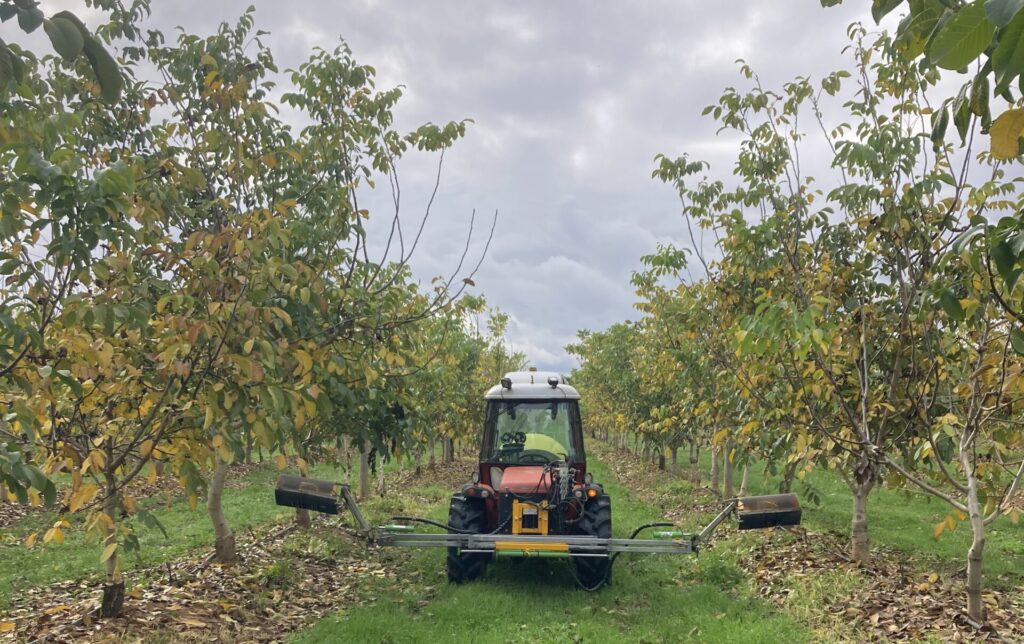
In Victoria, walnuts mature during late summer and are harvested in autumn. Timing matters: the crop needs to reach maturity, but once the outer hull opens the nuts must be collected and handled promptly. After harvest, the walnuts are cleaned, dried and graded. Controlled drying reduces moisture while protecting the kernel’s colour, texture and flavour.
Grading then separates the crop by factors such as size and condition, so customers receive a product suited to their requirements. This work after harvest is just as important as the months spent caring for the orchard. Careful handling helps preserve the natural quality of the walnut from the tree through to packing.
A versatile ingredient
Chandler walnuts work well in salads, breakfast dishes, breads, cakes, biscuits and desserts. They also pair naturally with cheese, fruit, honey, roasted vegetables and grain-based dishes. For a deeper flavour, the kernels can be lightly toasted in a moderate oven, with close attention to prevent scorching.
Choosing and storing walnuts
Good in-shell walnuts should feel sound and dry, without cracked shells, visible damage or an unpleasant odour. Shelled kernels should be plump and fresh smelling, without excessive shrivelling or discolouration. Because the natural oils in walnuts can deteriorate when exposed to heat, light and air, kernels are best kept in an airtight container. Refrigeration or freezing is suitable when they will be stored for longer periods.