Victoria’s walnut industry forms part of a specialised Australian supply chain connecting orchards, processors and commercial buyers seeking locally grown in-shell walnuts and kernels.
A specialised part of Australian horticulture
Walnuts are a long-term horticultural crop. Commercial orchards require suitable land, dependable water, patient capital and years of management before trees reach mature production. The annual crop then moves through a full cycle of dormancy, flowering, nut development, harvest, drying, grading and storage before it reaches customers.
The Australian Walnut Industry Association represents and promotes the national industry, including best-practice standards across orchard development, harvesting, processing and marketing. Within that national setting, Victorian growers contribute locally produced walnuts for domestic wholesale, food manufacturing, retail and potential export supply chains.
Why the Goulburn Valley supports walnut production
The Goulburn Valley is one of Victoria’s established horticultural regions. Its fertile soils, irrigation infrastructure and concentration of agricultural services have supported fruit and food production for generations. Shepparton also provides access to freight, packaging, technical services and major domestic markets.
For walnut orchards, cool winter conditions support dormancy, while the warmer growing season allows leaves, shoots and nuts to develop towards an autumn harvest. Individual orchard performance still depends on soil condition, water management, variety, tree health and the weather experienced in each season.
From the orchard to market
Growing the crop is only one part of the walnut supply chain. After harvest, the nuts need to be collected promptly, cleaned, dried and graded. Drying reduces moisture to support product stability, while grading separates the crop according to characteristics such as size, shell condition and kernel quality.
Storage, packaging and transport then need to protect the product through to the customer. Consistent handling is important because quality can be lost after harvest if moisture, heat, light or physical damage are not properly managed. For commercial buyers, the reliability of the full process matters as much as the orchard itself.
What commercial walnut buyers need
Walnut buyers do not all require the same product. An in-shell wholesaler may prioritise variety, count or diameter, shell appearance and pack size. A bakery or food manufacturer may instead focus on kernel colour, piece size, flavour, supply consistency and packaging suited to production. Retailers and distributors may require additional labelling, barcoding, shelf-life and logistics information.
Clear specifications help both parties. Buyers should identify the intended use, preferred format, grade, quantity, delivery window and any food-safety or export requirements early in the discussion. Growers and suppliers can then confirm what is available rather than offering a general product that may not suit the application.
The value of seasonal Australian supply
Victorian walnuts are harvested in the Southern Hemisphere autumn. This gives domestic customers access to an Australian seasonal crop with a known origin and a shorter supply chain than many imported alternatives. Appropriate drying and cool storage remain essential for maintaining quality beyond the immediate harvest period.
For buyers, Australian supply can also provide direct communication about variety, grading, packaging and availability. The commercial value depends on the product meeting the required specification, price and delivery terms; Australian origin should support the offer, not replace those fundamentals.
Imatech Nut Trees in the Victorian industry
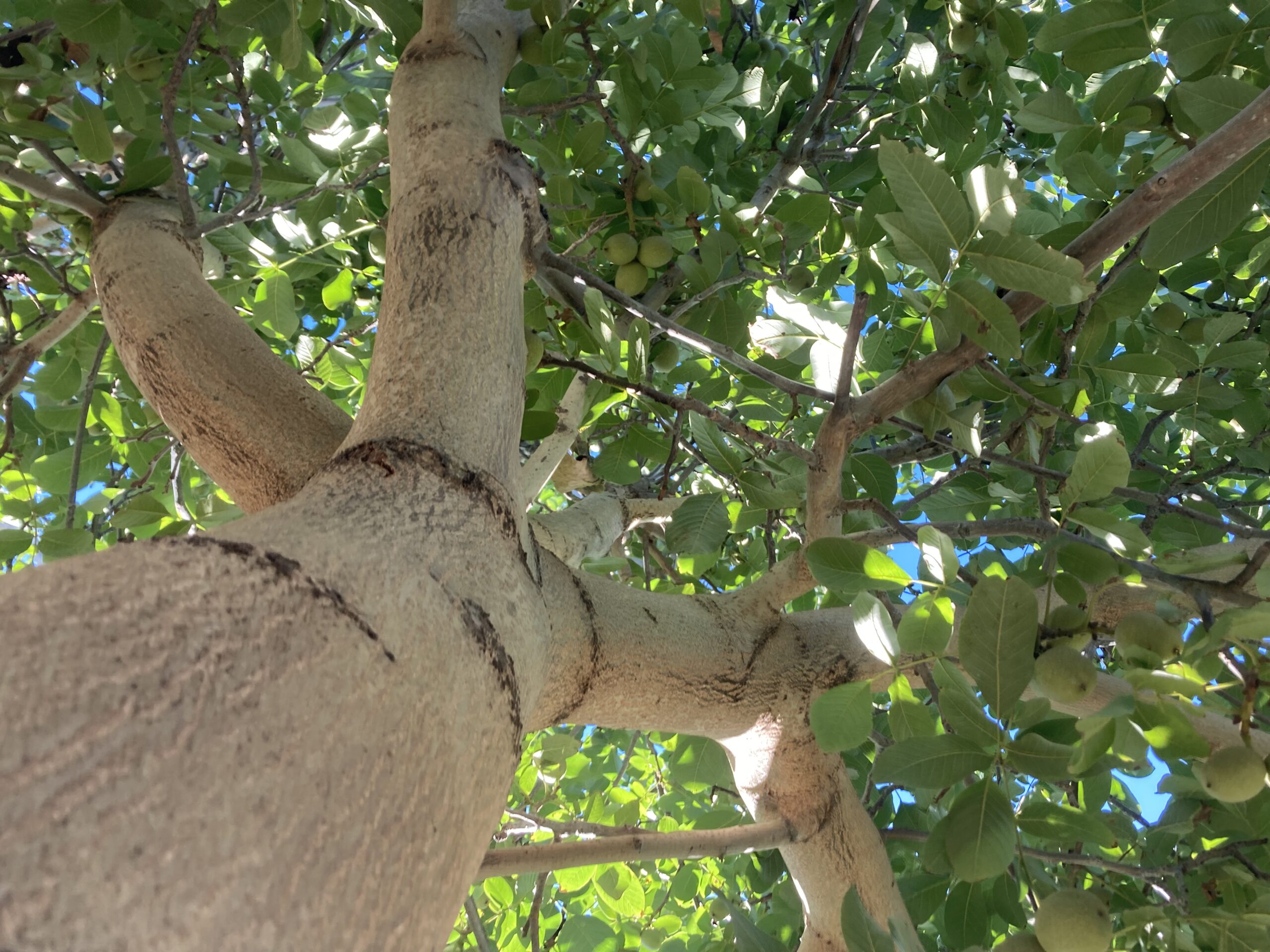
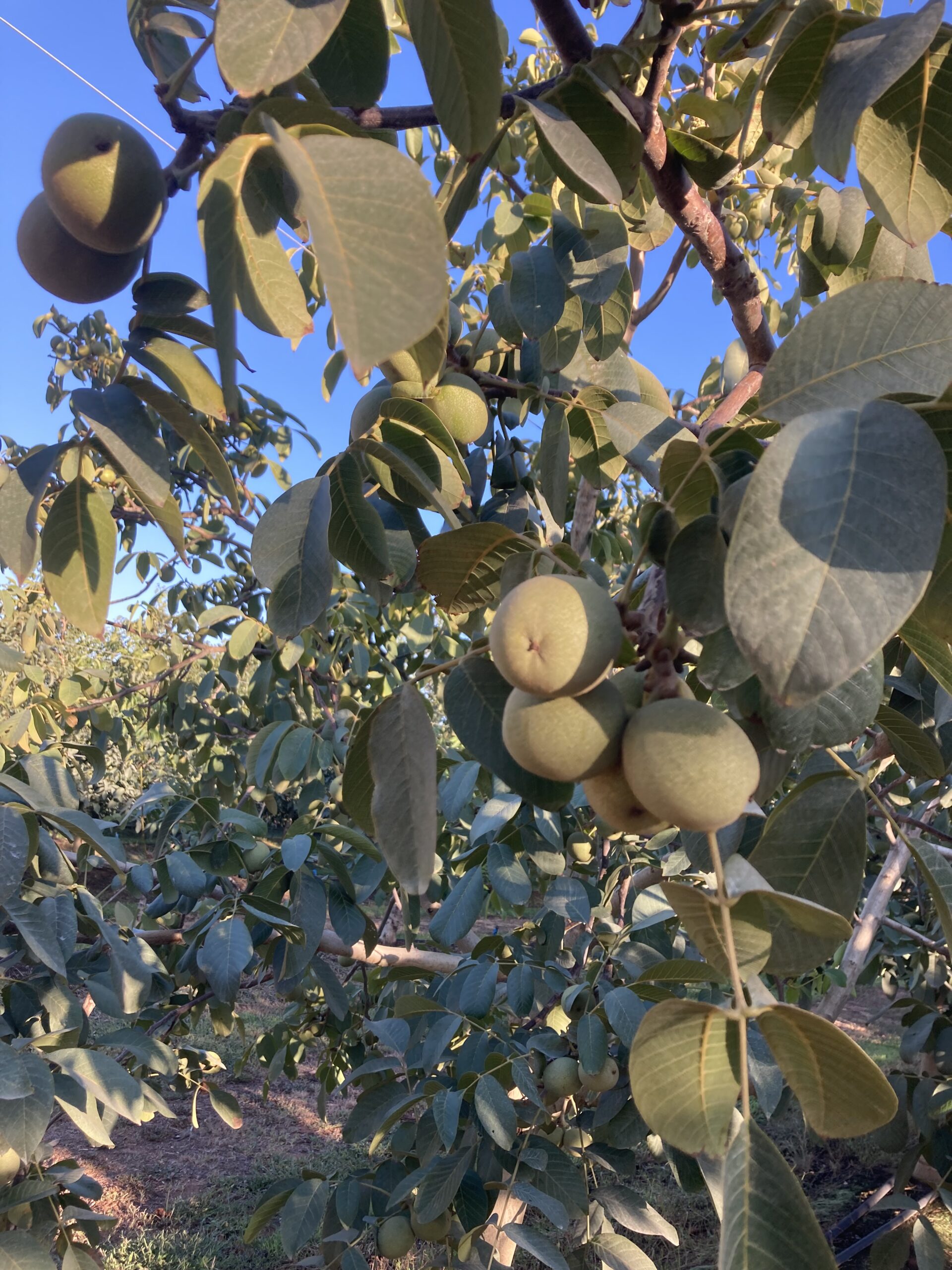
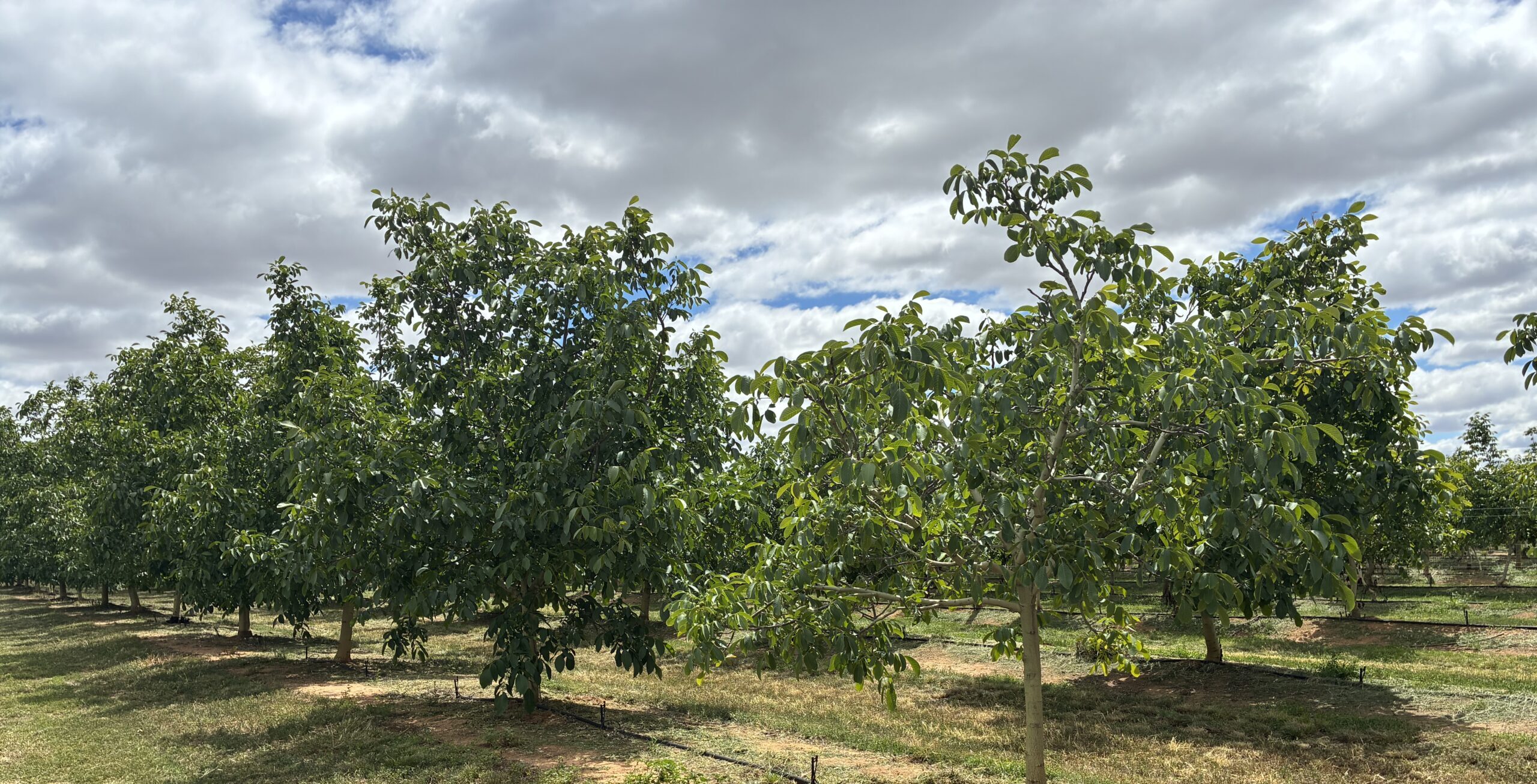
Imatech Nut Trees operates a 300-acre walnut orchard approximately 20 kilometres from Shepparton. More than 22,000 Chandler and Tulare walnut trees have been planted since 2017 and are continuing to mature, supporting a growing volume of Australian in-shell walnuts and future kernel supply.
Chandler is the orchard’s flagship premium variety, recognised for its light-coloured kernel, mild flavour and well-sealed shell. Tulare provides a complementary commercial variety valued for consistency and broad food applications. Together, the two varieties allow discussions with buyers across different product and market requirements.
Planning walnut supply
Commercial walnut supply benefits from early planning. Imatech Nut Trees welcomes enquiries from wholesalers, retailers, food manufacturers, hospitality suppliers and export distributors seeking information on varieties, size grades, packaging, indicative volumes and harvest availability. Final supply remains subject to seasonal results and grading, but early engagement allows requirements to be considered before the crop is committed.